Optimal Timing for Snow Shoveling
Snow shovelings are most effective when performed at specific times to ensure safety and efficiency. Proper timing can help prevent ice formation, reduce physical strain, and maintain clear pathways. Knowing the optimal moments for snow removal can also minimize the amount of effort required and avoid unnecessary repeat work.
Shoveling soon after snow falls prevents accumulation from compacting and forming ice, making removal easier and safer.
Performing shovelings during light snow helps keep pathways clear without heavy buildup, reducing fatigue.
Clearing snow before temperatures fall below freezing prevents ice formation and makes subsequent shoveling easier.
Shoveling in the early morning ensures walkways are clear for the day and reduces the risk of accidents.
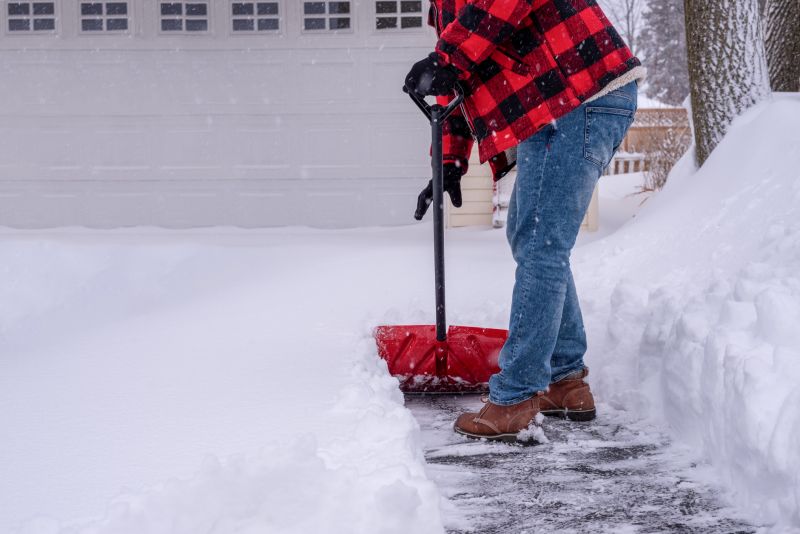
A person clearing snow from a driveway during early morning hours.
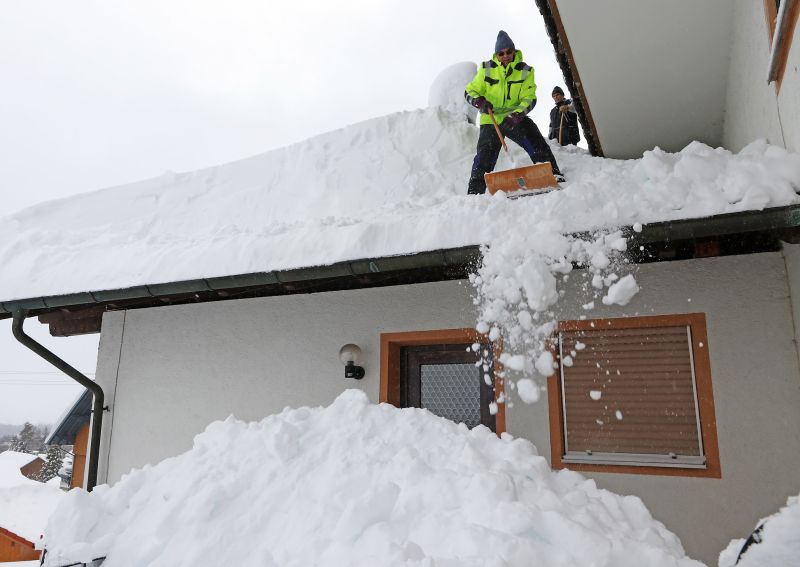
A homeowner removing light snow during a gentle snowfall.
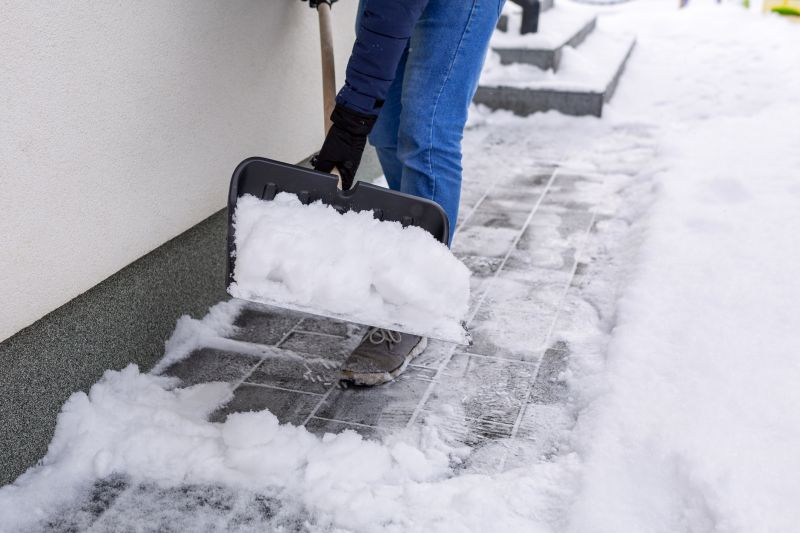
Shoveling snow before temperatures drop to prevent ice formation.
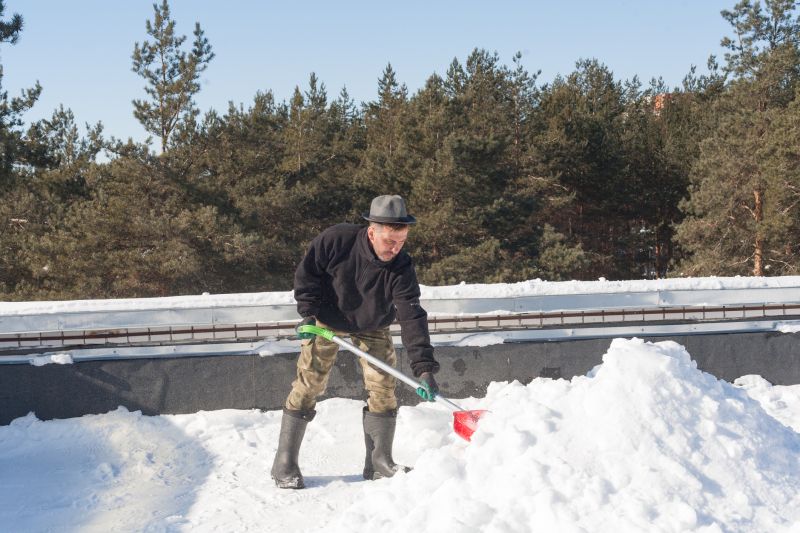
Ways to make Snow Shovelings work in tight or awkward layouts.
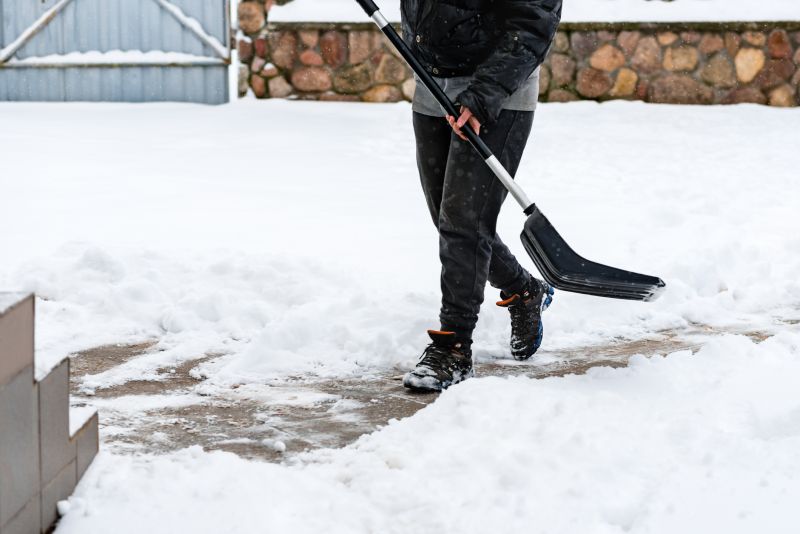
Popular materials for Snow Shovelings and why they hold up over time.
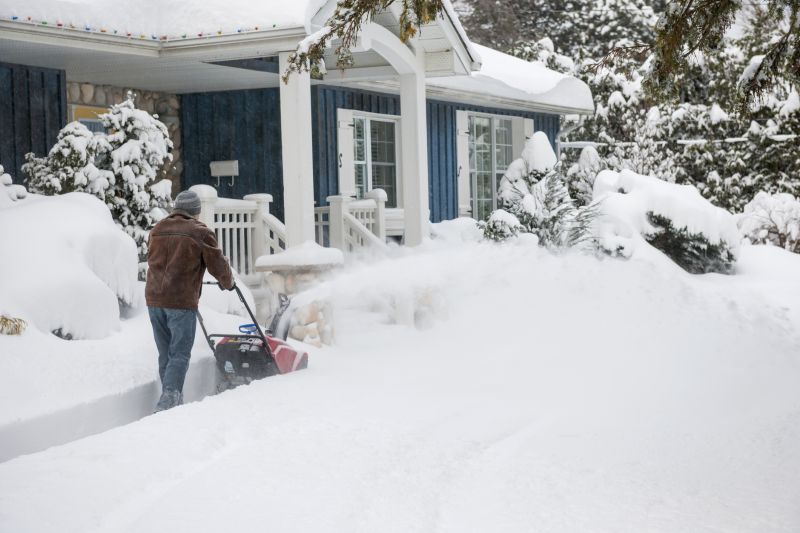
Simple add-ons that improve Snow Shovelings without blowing the budget.
| Optimal Timing | Advantages |
|---|---|
| Immediately After Snowfall | Prevents compaction and ice formation. |
| During Light Snowfalls | Maintains clear pathways with less effort. |
| Before Cold Temperatures | Reduces ice buildup and makes shoveling easier. |
| Early Morning | Ensures safety and accessibility throughout the day. |
| During Breaks in Snowfall | Prevents excessive accumulation. |
Snow shovelings require strategic timing to maximize effectiveness and safety. Clearing snow promptly after a snowfall minimizes the risk of ice formation and reduces the physical effort needed for removal. Performing shovelings during light snowfalls or before temperatures drop further can help maintain clear pathways and prevent hazardous conditions. Regularly scheduled shovelings during optimal times contribute to safer walkways and reduce the likelihood of accidents caused by snow and ice buildup.
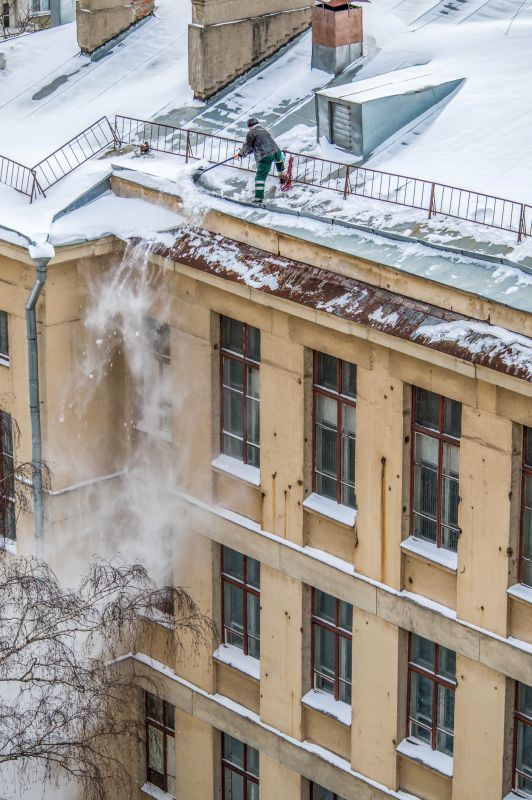
Early morning snow removal to ensure safe pathways.
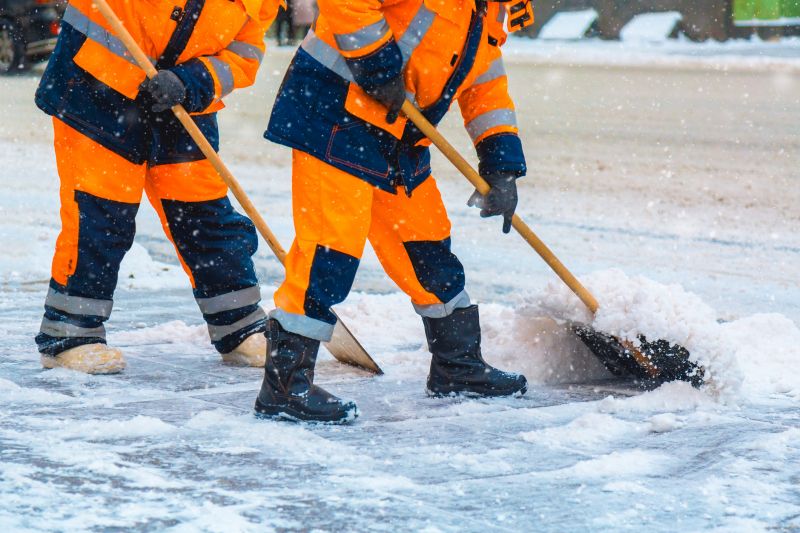
Maintaining pathways during gentle snowfall.
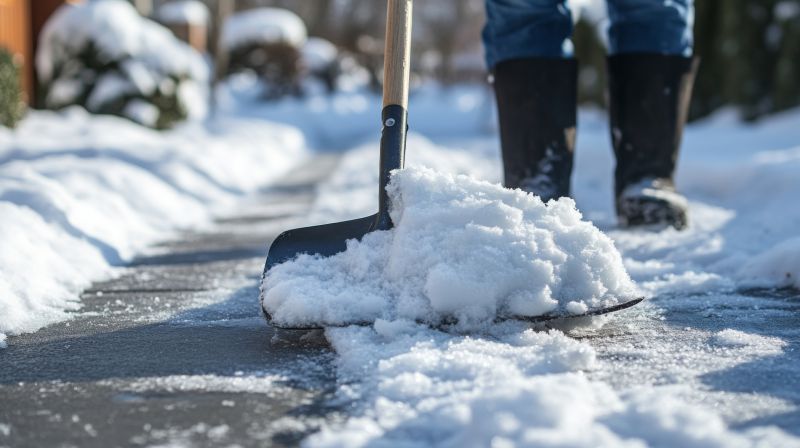
Removing snow before it turns to ice.
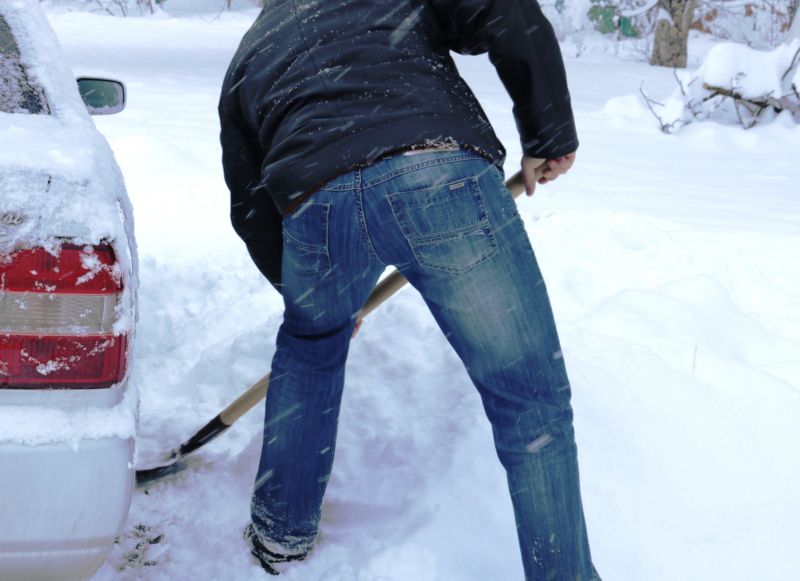
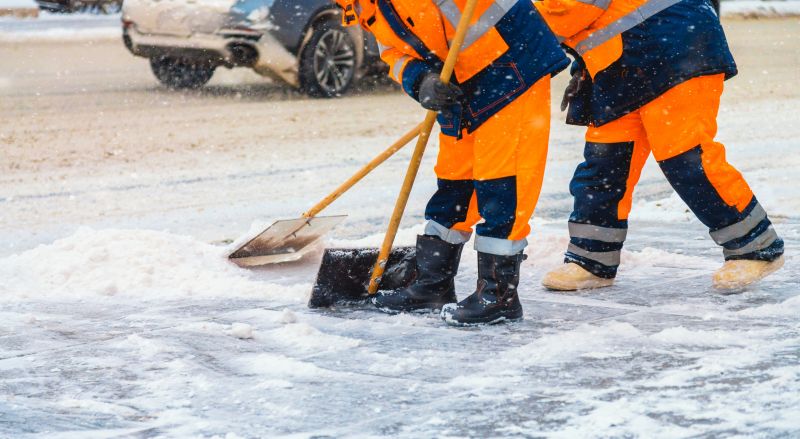
A person clearing a walkway during a snowstorm.
Finishes and colors that play nicely with Snow Shovelings.

Little measurements that prevent headaches on Snow Shovelings day.
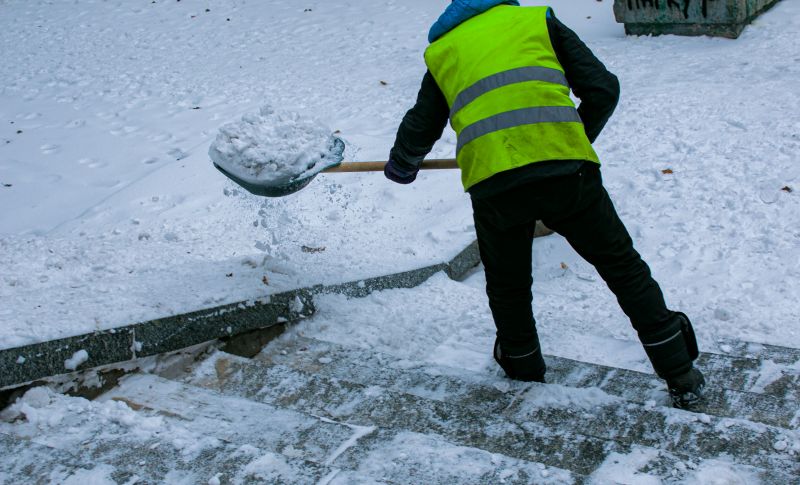
A 60-second routine that keeps Snow Shovelings looking new.
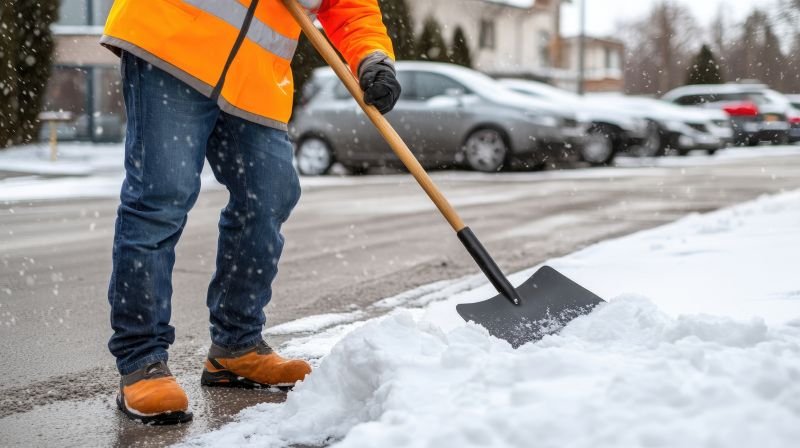
A frequent mistake in Snow Shovelings and how to dodge it.
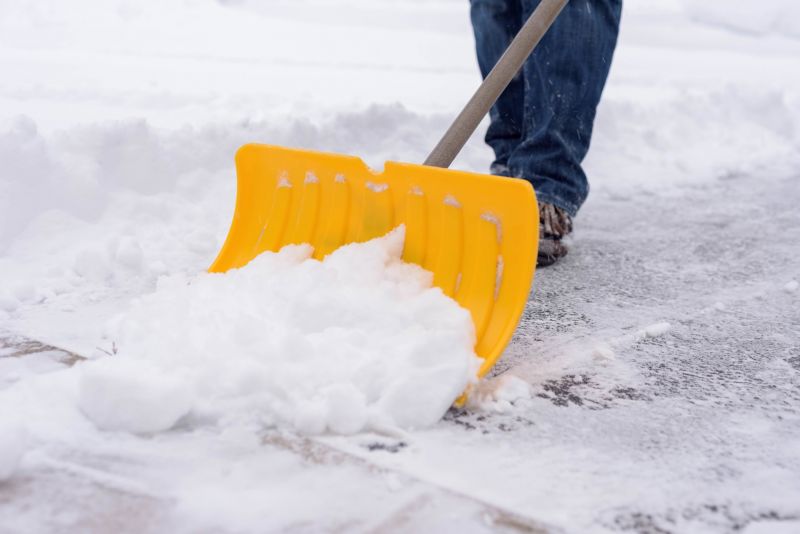
Small tweaks to make Snow Shovelings safer and easier to use.
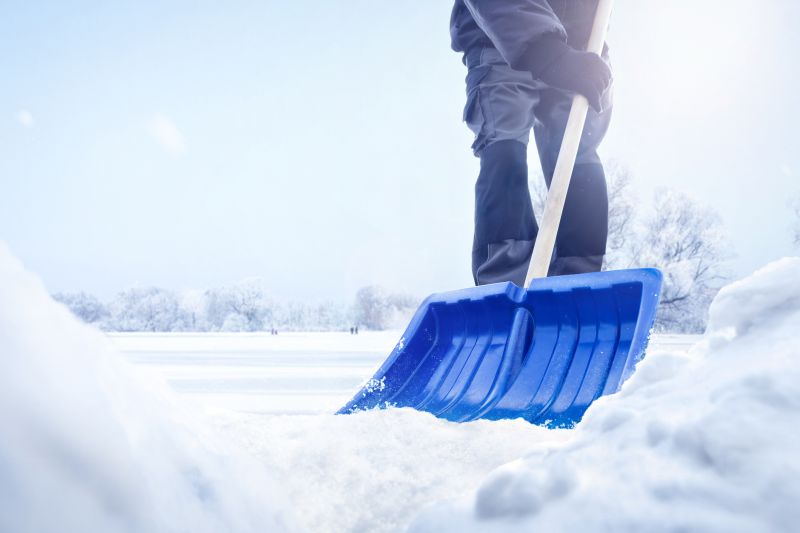
Lower-waste or water-saving choices for Snow Shovelings.
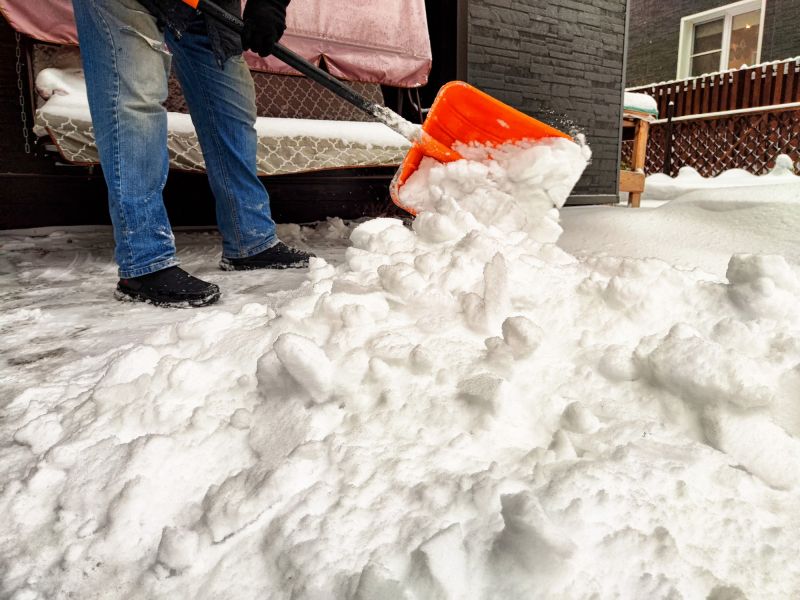
The short, realistic tool list for quality Snow Shovelings.
Rough timing from prep to clean-up for Snow Shovelings.
Timely snow shovelings are essential for safety and convenience during winter months. Clearing snow at the right moments helps prevent dangerous ice patches, reduces physical strain, and ensures accessible pathways. Regular maintenance aligned with weather conditions can significantly improve safety and reduce the effort required for snow removal.